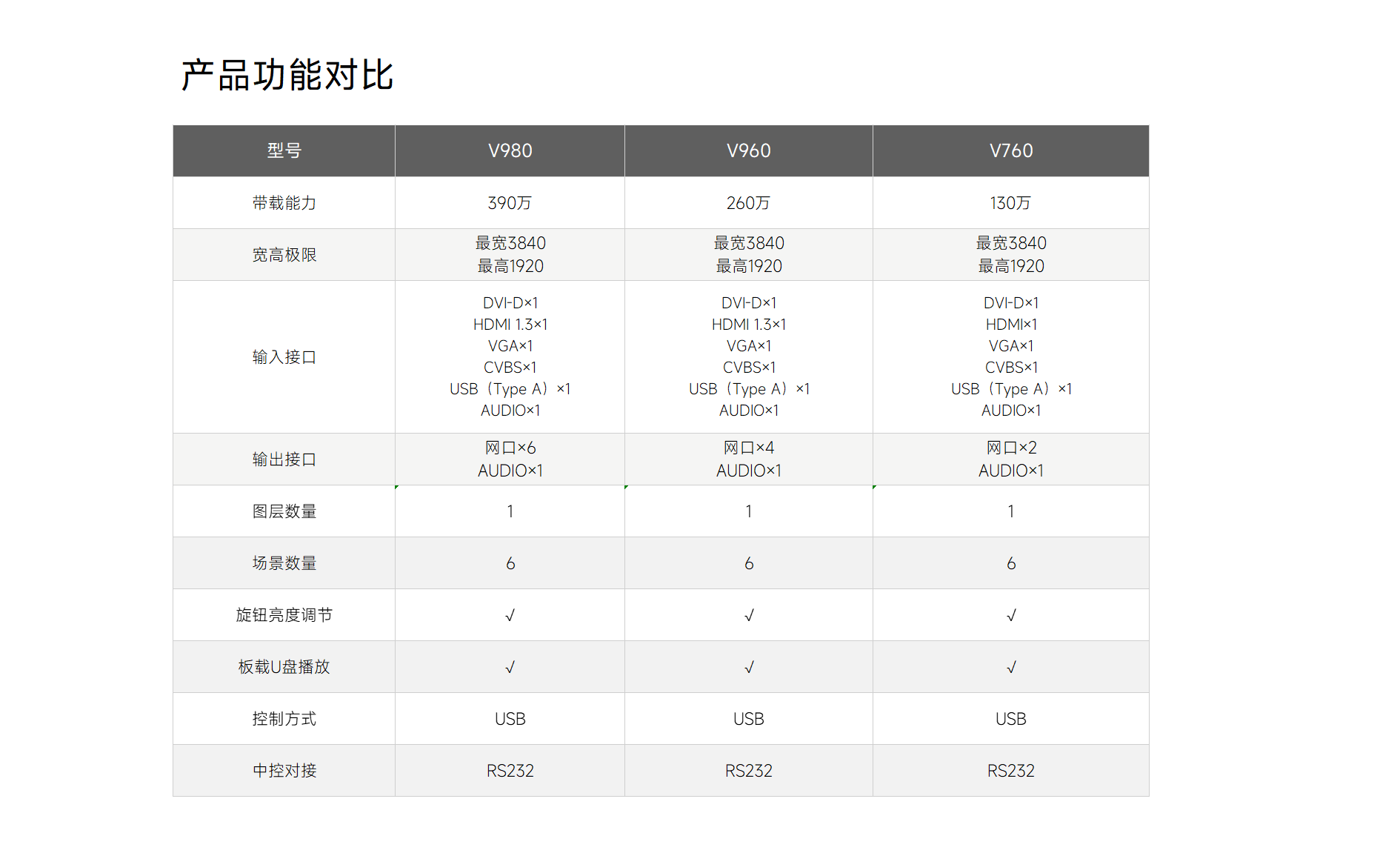
V980/V960/V760
- 功能特性
- 规格参数
- 资料下载
- 视频
- 案例项目
Today, the transgender community and LGBTQ culture are more vibrant and diverse than ever. According to a 2020 report by the Human Rights Campaign, there are an estimated 1.4 million transgender individuals in the United States alone. The community is made up of people from all walks of life, including individuals of different ages, ethnicities, abilities, and socioeconomic backgrounds.
Transgender community and LGBTQ culture are characterized by a rich and diverse array of expressions, including fashion, art, music, and performance. From the ball culture of the 1970s and 1980s, which saw LGBTQ individuals, particularly trans women of color, create their own community and culture through voguing and other forms of performance, to the contemporary art and activism of today, LGBTQ culture is a testament to the creativity, resilience, and determination of the community.
Since then, the transgender community and LGBTQ culture have continued to evolve and grow. The 1980s saw the emergence of the AIDS epidemic, which disproportionately affected the LGBTQ community and sparked a new wave of activism and advocacy. In the 1990s and 2000s, the transgender community began to gain more visibility and recognition, with the establishment of organizations like the National Center for Transgender Equality and the Transgender Law Center.
"Embracing Identity: Celebrating Transgender Community and LGBTQ Culture"
Despite these challenges, there have been many triumphs and successes in the transgender community and LGBTQ culture. In 2020, the U.S. Supreme Court ruled in Bostock v. Clayton County that employment discrimination against LGBTQ individuals is prohibited under Title VII of the Civil Rights Act of 1964.