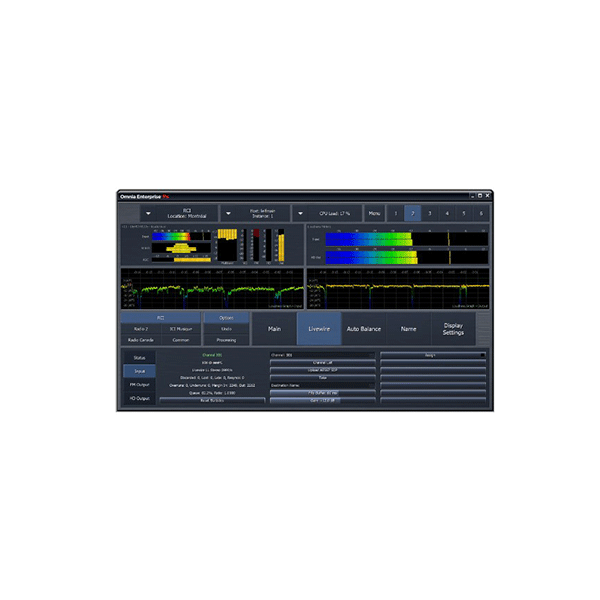
Meet Omnia Enterprise 9s, the high-density audio processing software solution designed with the flexibility to meet the rapidly changing infrastructure needs of broadcasters as they transition to virtualized environments. 9s is a custom solution for high-density server-based (virtual) systems for customers with a large volume of signals that need to be processed. Talk with our sales team to design your 9s solution based on your specific needs.
The fashion and beauty industries in Asia have become increasingly influential, with teenagers often looking to social media and celebrity culture for inspiration. However, the emphasis on physical appearance and materialism can create unrealistic expectations and pressure on young people to conform to certain beauty standards.
The vibrant and rapidly evolving landscape of Asia's lifestyle and entertainment industry has become a double-edged sword for teenagers. On one hand, it offers a plethora of exciting opportunities for self-expression, socialization, and entertainment. On the other hand, it also poses significant risks of exploitation, manipulation, and harm to this vulnerable demographic.
The lifestyle and entertainment industry in Asia offers a complex and multifaceted landscape for teenagers. While it provides opportunities for self-expression, socialization, and entertainment, it also poses significant risks of exploitation, manipulation, and harm.
The proliferation of cosmetic surgery and beauty products has led to a culture of body modification and self-improvement, where teenagers feel compelled to undergo surgery or use expensive products to achieve a certain look. This can lead to body dissatisfaction, low self-esteem, and a negative impact on mental health.
The pressure to maintain a perfect image can lead to mental health issues, such as depression and anxiety, among young idols. The exploitation of idols by management agencies and industry professionals can also involve unfair contracts, low pay, and limited creative control. This can result in a loss of autonomy, dignity, and well-being for young people who are already vulnerable.
The highly competitive nature of online gaming can lead to a culture of toxicity and harassment, where young players are subjected to verbal abuse, bullying, and manipulation. The exploitation of young gamers by game developers and industry professionals can also involve unfair practices, such as loot boxes, microtransactions, and predatory marketing.
In today's digital age, social media and online platforms have become an integral part of teenagers' lives in Asia. These platforms offer a vast array of lifestyle and entertainment options, from K-pop and Korean dramas to Japanese anime and Chinese gaming. The highly curated and often manipulated content on these platforms can create unrealistic expectations and promote consumerist values, leading to a culture of comparison and competition among teens.
The idol culture in Asia, particularly in South Korea and Japan, has become a significant aspect of the entertainment industry. Teenagers are often drawn to the glamour and excitement of idol groups, which can lead to a lucrative and highly competitive industry. However, this culture also perpetuates a toxic cycle of exploitation, where young idols are pushed to work long hours, sacrifice their education and personal lives, and conform to unrealistic beauty standards.
The fashion and beauty industries in Asia have become increasingly influential, with teenagers often looking to social media and celebrity culture for inspiration. However, the emphasis on physical appearance and materialism can create unrealistic expectations and pressure on young people to conform to certain beauty standards.
The vibrant and rapidly evolving landscape of Asia's lifestyle and entertainment industry has become a double-edged sword for teenagers. On one hand, it offers a plethora of exciting opportunities for self-expression, socialization, and entertainment. On the other hand, it also poses significant risks of exploitation, manipulation, and harm to this vulnerable demographic.
The lifestyle and entertainment industry in Asia offers a complex and multifaceted landscape for teenagers. While it provides opportunities for self-expression, socialization, and entertainment, it also poses significant risks of exploitation, manipulation, and harm. exploited teens asia hot
The proliferation of cosmetic surgery and beauty products has led to a culture of body modification and self-improvement, where teenagers feel compelled to undergo surgery or use expensive products to achieve a certain look. This can lead to body dissatisfaction, low self-esteem, and a negative impact on mental health.
The pressure to maintain a perfect image can lead to mental health issues, such as depression and anxiety, among young idols. The exploitation of idols by management agencies and industry professionals can also involve unfair contracts, low pay, and limited creative control. This can result in a loss of autonomy, dignity, and well-being for young people who are already vulnerable. The fashion and beauty industries in Asia have
The highly competitive nature of online gaming can lead to a culture of toxicity and harassment, where young players are subjected to verbal abuse, bullying, and manipulation. The exploitation of young gamers by game developers and industry professionals can also involve unfair practices, such as loot boxes, microtransactions, and predatory marketing.
In today's digital age, social media and online platforms have become an integral part of teenagers' lives in Asia. These platforms offer a vast array of lifestyle and entertainment options, from K-pop and Korean dramas to Japanese anime and Chinese gaming. The highly curated and often manipulated content on these platforms can create unrealistic expectations and promote consumerist values, leading to a culture of comparison and competition among teens. On one hand, it offers a plethora of
The idol culture in Asia, particularly in South Korea and Japan, has become a significant aspect of the entertainment industry. Teenagers are often drawn to the glamour and excitement of idol groups, which can lead to a lucrative and highly competitive industry. However, this culture also perpetuates a toxic cycle of exploitation, where young idols are pushed to work long hours, sacrifice their education and personal lives, and conform to unrealistic beauty standards.