Chechi 2025 Boomex S01e02 Web Series Wwwmovies Top ✔
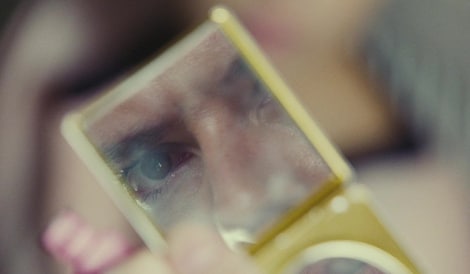
Mira assembles a rag‑tag crew: Jas , a street‑wise drone mechanic; Leena , a former ViroTech PR executive; and Sanjay , an AI‑ethicist turned vigilante. Their plan is a low‑key infiltration of ViroTech’s “Mirror Lab” to retrieve the source code for the Mirror Protocol. The episode uses a “heist” template—planning, infiltration, twist—but overlays it with a moral calculus: each team member must confront a personal mirror reflecting their own complicity in the system they now oppose. The tension crescendos when the crew discovers that the protocol is not merely a data‑gathering tool, but a neural‑feedback loop that can rewrite emotional memory. The final sequence, a near‑silent, POV‑drone chase through a glass‑walled lab, ends on a cliffhanger as the Mirror Protocol is activated, flooding Mira’s visual field with a cascade of strangers’ memories.
The sibling dynamic (Mira vs. Rohan) anchors the high‑concept premise in a relatable human story. Their strained relationship exemplifies how technological trauma can infiltrate familial bonds, making personal agency both a weapon and a shield. The episode argues that reclaiming agency may require confronting painful personal mirrors rather than merely disabling external systems. chechi 2025 boomex s01e02 web series wwwmovies top
Episode 2, titled , builds on the groundwork laid in the pilot and pushes the narrative into a more morally ambiguous territory. In this essay, we will examine the episode’s narrative structure, visual language, character development, and thematic resonance, situating it within contemporary streaming trends and the wider cultural conversation surrounding technology and agency. 1. Narrative Structure: A Tight, Two‑Act Spiral Unlike the more episodic feel of the pilot, Episode 2 adopts a tight two‑act structure that mirrors the central metaphor of a “mirror”—a reflective surface that both reveals and distorts. Mira assembles a rag‑tag crew: Jas , a
The episode opens with Mira , the titular “chechi” (Sister in Malayalam) and a former data‑archivist turned underground hacker, receiving a cryptic message: a file labelled “MIRROR”. The message is a call to action from Rohan , a charismatic whistle‑blower who claims the megacorp ViroTech is about to launch a neural‑interface upgrade that will render users’ thoughts visible to advertisers. The inciting incident is a classic “call to adventure,” but the series subverts expectations by immediately framing it as a personal betrayal—Rohan is Mira’s estranged brother, whose last contact was a bitter argument over their mother’s death. The tension crescendos when the crew discovers that
The series’ release strategy—dropping episodes weekly on ’ proprietary platform while simultaneously licensing select episodes to global aggregators—mirrors the “windowed distribution” model that balances binge‑watch culture with sustained audience engagement. By focusing on a regional linguistic anchor (the Malayalam term “chechi”) while delivering a globally resonant narrative, the series exemplifies the “glocal” approach: locally grounded stories with universal appeal.
The Mirror Protocol’s ability to rewrite emotional memory touches on a growing cultural anxiety around digital memory editing —from deep‑fake videos to algorithmic recommendation engines that shape recollection. The series suggests that when memory is turned into data, authenticity erodes, raising ethical concerns about consent and identity.